.png)


 to order a call
How cannabis gets its taste and aroma
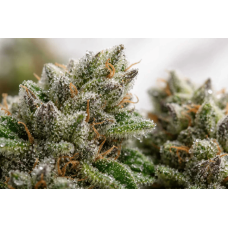
When it comes to modern cannabis, most people immediately pay attention not only to the genetics or THC level, but also to the aromatic profile of the variety. It is the smell and taste that often form the first impression of the plant. Some varieties have sweet fruity notes, others have a citrus profile or a classic “gas” aroma with diesel undertones. And all this is no coincidence. The taste of cannabis is formed due to complex biochemical processes in which terpenes, genetics and growing conditions play a major role.
A few years ago, many considered the aroma of marijuana to be something secondary. Today, the situation has changed dramatically. Breeders spend years stabilizing flavor profiles, and laboratory testing of terpenes has become almost a standard for the modern industry. That is why new generations of varieties can demonstrate extremely complex combinations of aromas - from berry candies to spicy, coniferous or even fuel notes.
Power Seeds understand well how important the aromatic component has become for modern connoisseurs. That is why many today pay attention not only to the yield or structure of the plant, but also to the terpene profile of a particular variety. After all, the aroma of cannabis is a kind of signature.
What are terpenes and why do they shape the taste of cannabis
The basis of the taste and aroma of cannabis is formed by terpenes - volatile aromatic compounds that are produced in the trichomes of the plant. It is in these resinous structures that cannabinoids are also synthesized. Today, over 150 different terpenes have been identified in cannabis, although only a few are usually dominant.
Each terpene has its own aromatic profile. For example, myrcene is often associated with earthy and musky notes. Limonene creates a bright citrus aroma, while pinene adds a piney note. It is the combination of different terpenes that forms the unique smell of a particular strain.
Interestingly, even slight changes in the concentration of terpenes can completely change the perception of the aroma. Two strains with the same basic terpenes can smell completely different due to the ratio of these compounds. That is why modern breeding is so actively working to stabilize aromatic profiles.
Many growers today choose varieties precisely according to their terpene profile. For some, fruity and sweet shades are important, while others are looking for classic diesel aromas or complex spicy combinations. All this creates a huge variety of modern cannabis.
The most common terpenes and their aromatic characteristics
Among the huge number of terpenes, there are a few that are found most often in cannabis and have the greatest impact on the aromatic profile of the strain. They are the ones that form the familiar fruity, coniferous or spicy shades.
| Terpene | Aromatic profile |
|---|---|
| Myrcene | Earthy, herbaceous, musky |
| Limonene | Citrus, lemon zest |
| Beta-caryophyllene | Pepper, spices |
| Pinene | Needles, forest resin |
| Linalool | Floral and lavender notes |
| Terpinolene | Sweet fruity notes |
It is the ratio of these compounds that creates character. For example, sweet candy varieties often have a high content of fruity terpenes, while classic diesel hybrids have complex sulfur compounds combined with spicy notes.
For many modern breeders, terpenes have become almost as important a characteristic as plant structure or yield. It is the aroma that often makes cannabis recognizable today.
How genetics affect the taste of a variety
Genetic affiliation is the foundation of the aromatic profile of any variety. It is heredity that determines which terpenes a plant will produce more actively and which aromatic combinations will dominate in the future. When breeders cross two genetics, they are trying to consolidate not only growth strength or yield, but also a specific flavor profile.
The stabilization process can last for years. After each cross, breeders select phenotypes with the most pronounced characteristics and continue working on the next generations. This is how stable fruit, citrus or gas varieties appear.
Some modern marijuana varieties were literally created around the aromatic profile. That is why today on the market you can find varieties with the smell of berry candies, creamy desserts, tropical fruits or even fermented fuel.
At Power Seeds, many connoisseurs of modern breeding pay attention to complex terpene profiles. After all, the aroma of cannabis has become a full-fledged part of culture and breeding work today.
Why people taste cannabis differently
It is interesting that each person perceives the aroma of cannabis in their own way. Some may feel berry notes, others - citrus or grape shades. This is due to the peculiarities of human olfactory receptors and individual sensitivity to certain compounds.
Associative memory also plays a big role. Our brain automatically compares the aroma with smells that a person already knows. That is why the same genetics can smell like lemon candy to someone, and tropical fruit to another.
Modern laboratory studies show that the aroma of cannabis is much more complex than previously thought. In addition to terpenes, flavonoids, esters and volatile sulfur compounds participate in the formation of taste.
The taste and aroma of cannabis is the result of a complex interaction of genetics, terpenes, growing conditions and post-harvest processing. It is the combination of these factors that forms the unique profile of each variety.
Modern breeding allows you to create varieties with extremely complex aromatic combinations - from sweet fruit notes to a powerful diesel profile. But even the best of the right environment, stable microclimate and competent curing.The material is exclusively informative and educational in nature. The information is provided for the study of the botanical features of the plant and modern breeding.
