.png)


 to order a call
How to grow healthy cannabis: 8 practical tips for growers
Related Products
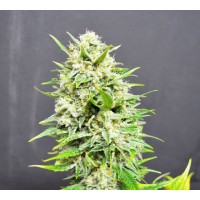
Big Skunk Auto
Cannabis Seeds Big Skunk Auto Big Skunk Auto by Amsterdam Seeds is a robust Indica-dominant hybri..
1 099 грн.
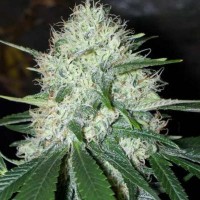
AFGHAN KUSH
Afghan Kush — Timeless Power from the Hindu Kush Afghan Kush by DutchBulk Seeds is a cornerston..
946 грн.
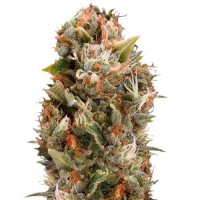
CHEMDAWG Feminised
This strain is rightfully considered a classic, upon which modern Dutch breeding of elite hybrids wa..
258 грн.
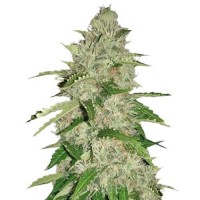
Satori Feminised
Origin and History of Satori Feminised The feminized Satori Feminised strain was developed from t..
258 грн.
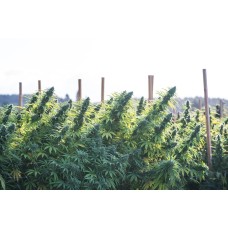
How to Grow Healthy Cannabis: 8 Practical Tips for Growers
In reality, success depends not on dozens of expensive fertilizers or professional equipment, but on the right approach at each stage of the plant's development. By creating the right conditions, using high-quality genetics, and responding promptly to the plant's needs, even the first cycle can yield excellent results.
Each strain has its own unique characteristics, but there are universal rules that help ensure healthy plants, whether you're growing them in a grow box or outdoors. We'll discuss these principles below.
1. Choose quality genetics
The most common mistake beginners make is skimping on planting material. No amount of lighting, fertilizer, or stimulants can compensate for weak genetics. If a plant has naturally low potential, achieving a record harvest is virtually impossible.
When choosing, consider not only the variety's popularity but also your experience, available space, and climate. Compact autoflowering plants are best suited for smaller grow spaces, while photoperiod varieties offer higher yields given sufficient time and space.
2. Create the right microclimate
Hemp adapts well to a variety of conditions, but it only reaches its peak potential in a stable microclimate. The first few weeks after germination are especially important, when young plants are most sensitive to any changes.
Control the temperature, relative humidity, and ventilation. A constant supply of fresh air strengthens plants, helps prevent waterlogging, and reduces the risk of fungal diseases.
It's equally important to avoid sudden temperature changes between day and night. A stable environment promotes uniform growth and reduces stress.
3. Choose the right growing location
If growing outdoors, choose a site that receives maximum sunlight throughout the day. Young plants should be protected from strong winds and prolonged rainfall.
For an indoor playhouse, high-quality lighting and sufficient space are key. Avoid crowding too many plants in a small growbox. Crowding too close together reduces air circulation and makes maintenance more difficult.
The better the space is organized, the easier it is to control the temperature, watering and condition of each plant.
4. Use the appropriate substrate
Properly selected soil or other substrate directly influences the rate of root development. For most beginners, the simplest option remains high-quality, well-aerated, ready-mixed soil.
Experienced growers often use their own mixtures or switch to coco coir or hydroponic systems. These methods offer greater control over nutrients, but require specialized knowledge.
Regardless of the chosen method, the substrate must retain moisture well and at the same time provide sufficient oxygen for the roots.
5. Learn to water properly
Overwatering remains one of the most common causes of problems when growing indoors. A constantly wet substrate reduces oxygen supply to the root system and creates favorable conditions for pathogen growth.
Water only when the top layer of the soil has noticeably dried out. It's much safer to slightly underwater than to constantly overwater.
Also pay attention to the quality of drainage. Water shouldn't stagnate around the roots, so use pots with holes and a well-structured substrate.
6. Provide plants with proper nutrition
Once the plant has established a strong root system, it begins a period of active nutrient consumption. However, it's important to remember that cannabis needs change depending on the stage of development. What works well during the vegetative stage isn't always suitable during the flowering period.
Early in the life cycle, plants have a higher need for nitrogen, which is responsible for the active growth of leaves and shoots. Once flowering begins, the priority shifts, with increased need for phosphorus and potassium, which promote the formation of dense inflorescences.
It's equally important to follow the fertilizer manufacturer's recommendations. Excess nutrients can be just as harmful as too little. If the plant appears healthy and is actively growing, don't increase the dosage unnecessarily.
7. Monitor pH levels
Even the most expensive fertilizers will be of no use if the plant can't absorb them. Controlling the pH of the substrate and water is one of the most important elements of successful cultivation.
For most soil substrates, a pH of 6.0–7.0 is considered optimal. When growing in coco or hydroponics, this value is usually slightly lower. Regular monitoring helps prevent nutrient lockout and allows the plant to utilize fertilizers more efficiently.
An electronic pH meter is the most convenient. This simple tool allows you to quickly test your water, nutrient solution, or substrate and make timely adjustments.
8. Use modern plant training methods
Many growers leave their plants to grow naturally and still achieve good yields. However, simple plant training techniques allow for more efficient use of light and significantly improve yields.
One of the most popular methods is LST (Low Stress Training). It involves gradually bending the shoots without damaging the plant. This allows light to reach all future inflorescences more evenly.
Defoliation and sanitary pruning are equally beneficial. Removing excess leaves improves ventilation, reduces the risk of fungal diseases, and helps the plant direct more energy toward yield.
Popular methods of formation
- LST – bending of shoots without strong stress;
- defoliation – removal of excess leaves;
- sanitary pruning of weak shoots;
- ScrOG – uniform distribution of plants under a net;
- SOG – growing a large number of compact plants.
Additional tips for consistent results
Even high-quality cannabis seeds don't guarantee success if the plants aren't receiving enough attention. Regularly inspect the leaves, monitor the temperature, humidity, and condition of the growing medium. The sooner a problem is noticed, the easier it is to fix.
Don't rush into using too many stimulants and fertilizers at once. It's much more effective to create a simple and clear nutritional plan than to constantly change products in search of quick results.
Another helpful habit is to keep brief notes. Record the dates of watering, fertilizing, repotting, and plant development. This journal will help you avoid repeating mistakes and make each subsequent cycle more successful.
If you're planning to buy cannabis seeds , our specialists will help you choose a strain based on your experience, growing conditions, and desired results. We offer original genetics, professional consultation, and fast delivery throughout Ukraine.
