.png)


 to order a call
Optimal temperature for growing cannabis
Why Temperature Matters
Temperature is one of the key factors determining successful cultivation. It influences virtually every process, from photosynthesis to flower formation. If conditions are unstable, even the highest-quality cannabis seeds will fail to realize their full potential.
There's a simple analogy: cannabis feels comfortable in roughly the same conditions as humans. But if you dig deeper, it becomes clear that nuances are crucial for achieving truly high results.
How does temperature affect plant development?
Plants have a so-called threshold, below which their growth virtually stops. For cannabis, this is approximately 10–12°C. This means the plant is quite sensitive to cold, especially in the early stages of development.
Moreover, excess heat is also harmful. At high temperatures, plants begin to experience stress, which manifests itself in slower growth, deformed leaves, and reduced crop quality.
This is why temperature control is not just a recommendation, but a necessity for stable results.
Root Zone Temperature: A Hidden Factor
Many people focus only on air temperature, but root zone temperature is equally important. The root system is responsible for absorbing water and nutrients.
Interestingly, even with fluctuating air temperatures, a plant can thrive if the roots are kept in stable conditions. This is why experienced growers pay special attention to this aspect.
In practice, this means that sometimes simple solutions such as insulating pots or controlling the temperature of irrigation water can produce significantly better results than expensive cooling systems.
Optimum temperatures at different stages
At different stages of its life, the plant requires different conditions. Young shoots prefer warmth and high humidity, as their root system is not yet developed. During this period, temperatures of around 25–28°C are considered comfortable.
During the vegetative phase, the plant becomes more resilient and thrives at lower temperatures—approximately 24–26°C. During this period, active growth of green foliage occurs.
When flowering begins, the situation changes. The plant prefers a cooler environment—around 22–25°C. This helps preserve aromatic compounds and improves the quality of the flowers.
During the final stages, the temperature is lowered slightly. This allows the buds to become denser and more intense.
Why are temperature changes dangerous?
Sudden temperature changes can cause serious stress. In cold weather, the plant slows down its development, and in extreme heat, it can begin to lose moisture and nutrients.
Heat is especially dangerous. At temperatures above 30°C, the quality of the harvest decreases, terpenes evaporate, and the bud structure becomes less dense.
Cold also has a negative effect. Even if the plant survives, its development is significantly slowed, which affects the final result.
How to control the temperature in a grow room
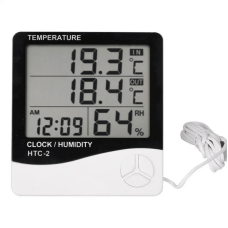
Temperature control is a combination of several factors. First and foremost is ventilation, which helps remove hot air and bring in fresh air.
Air circulation within the room plays an additional role. Fans help prevent localized overheating and ensure a uniform microclimate.
In some cases, air conditioners or heaters are used, especially if growing in unstable conditions. Proper lighting selection is also important—modern LED systems generate significantly less heat in a space.
As noted in the article, even changing the lighting regime can help compensate for temperature fluctuations, which is especially important for experienced growers.
Outdoor cultivation
In open ground, temperature control is much more difficult, but some solutions are still available. For example, you can use shade during the hottest hours or plant in areas protected from the wind.
It's also important to consider the region's climate and select suitable varieties. In colder conditions, early-ripening varieties are better.
If you're working with cannabis seeds and want consistent results, you should pay close attention to this parameter. The right microclimate allows you to unlock the plant's genetic potential and achieve the best results.
