.png)

 to order a call
Cannabis cure for cancer
Medical marijuana is often used to relieve the side effects of chemotherapy. Studies and practical experience have shown that it reduces nausea, stimulates appetite, and alleviates pain and helps you sleep.


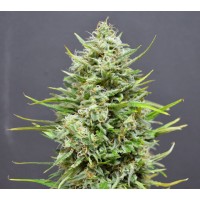
Marijuana Seeds Snow Star Auto Snow Star Auto by Amsterdam Seeds is a frost-covered hybrid that c..
860 грн.
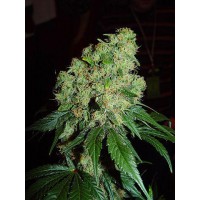
Bubble Gum — The Legendary Childhood Taste and Triumphant Euphoria Bubble Gum by DutchBulk Seed..
946 грн.
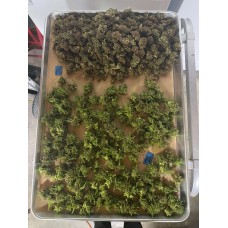
Harvesting was long considered one of the most conservative stages of cannabis cultivation. Plants were cut, dried, transferred to jars, and their humidity was periodically monitored. This principle remains relevant today, but the process itself has become more technologically advanced.
Compact sensors, special treatment bags, automatic microclimate control systems, and rapid drying equipment have emerged. Fresh Frozen, a separate area of focus, is freezing fresh plant materials without traditional drying.
Let's explore the approaches used today and why post-harvest control is so important for maintaining the terpene profile.
One of the most noticeable changes is the availability of digital thermometers and hygrometers. Previously, readings had to be checked directly in the room. Modern wireless sensors transmit information to a smartphone and can alert you to sudden changes in conditions.
This is especially useful when drying. Even a short-term increase in temperature or excess humidity can affect the condition of plant material.
After the cycle is complete, sensor data can be compared to determine the conditions under which the process was most stable. Thus, routine microclimate monitoring gradually evolved into work based on specific indicators.
Glass jars remain a popular treatment method, but they require attention. If excess moisture accumulates inside, the container must be opened to allow air to circulate. Otherwise, the risk of mold increases.
Multilayer healing bags have become an alternative. Their material is designed to gradually remove excess moisture and maintain a more stable environment inside.
For example, for some modern systems, manufacturers target a relative humidity of approximately 58–62%. This reduces the need to constantly open the container and simplifies long-term storage.
Another significant change is the spread of Fresh Frozen technology. In this case, fresh plant materials are quickly frozen after harvesting, rather than traditionally dried.
The main idea of the method is to maximally preserve the initial characteristics of the fresh material. The terpene profile is of particular importance, as some volatile aromatic compounds are gradually lost during traditional drying.
Fresh frozen has become especially popular as a method of preparing raw materials for further processing. Unlike traditionally dried materials, this method attempts to preserve their original state as much as possible.
Terpenes create the characteristic aroma of a specific genetic line. It's their balance that gives some varieties citrusy notes, while others have pine, berry, spicy, or dessert-like notes.
Moreover, aromatic compounds are sensitive to temperature and storage conditions. Excessive heating accelerates the loss of the most volatile components.
Therefore, the modern approach to drying is increasingly built not around the principle of “dry as quickly as possible,” but around preserving the initial characteristics of plant material.
Just a few years ago, dedicated home drying equipment was quite rare. Today, compact devices are available that can independently maintain a preset microclimate.
Some systems operate like a climate-controlled cabinet: they control temperature and humidity and switch to curing mode after drying. Others use freeze-drying technology, significantly reducing the drying time.
There are also simpler solutions – automatic sensors for containers that monitor temperature, humidity and gas exchange.
Such equipment is more expensive than traditional jars and hygrometers, so it's not always necessary for small volumes. However, the trend is clear: more and more manual operations are being automated.
A separate area is freeze drying, or sublimation drying. The technology has long been used for food and biological materials, and is now being applied to cannabis.
Its main advantage is speed. A process that would take many days with natural drying can be significantly reduced with specialized equipment.
However, the result differs from classic slow drying. The material's structure may become more brittle, so the two methods should not be considered completely interchangeable.
Despite the advent of new equipment, the traditional method remains relevant. It doesn't require expensive equipment; the key is a stable environment without sudden fluctuations in temperature and humidity.
The source material should be placed so that air can circulate freely. Excessive humidity can lead to mold growth, while excessively dry and hot air accelerates the loss of aromatic components.
This is why a small hygrometer is often more useful than trying to determine the condition of raw materials by touch alone.
After drying, the task changes: now it is necessary to protect the material from light, high temperatures, excess moisture, and constant contact with air.
For this purpose, sealed glass containers, special bags, and climate-controlled cabinets are used. Regardless of the chosen method, the basic principle is the same: conditions must remain stable.
Modern solutions simply allow you to control this process more precisely and spend less time on it.
No storage technology can create a flavor that wasn't originally intended by the genetics. The strain determines the terpene ratio and the character of the future aroma profile.
Therefore, collectors are increasingly paying attention not only to the lineage, seed type, or THC and CBD levels. Descriptions of modern strains often include information about myrcene, limonene, penene, caryophyllene, and other dominant terpenes.
The Power Seeds catalog features collectible cannabis seeds from seed banks in Holland and Spain. Feminized, autoflowering, and CBD-enhanced varieties with different genetic and aroma profiles are available.
Excessive humidity creates conditions for mold growth, while too dry an environment accelerates drying out and can have a negative impact on the aromatic profile.
Special materials can allow some excess moisture to pass through and help maintain a more stable environment. Regular sealed jars require more regular monitoring.
This is a method of preserving fresh plant materials by flash freezing instead of traditional drying.
No. Automated equipment simplifies monitoring conditions, but the classic method remains effective as long as the temperature, humidity, and air circulation are stable.
Primarily, it depends on genetics and terpene ratios. Drying and storage conditions also influence how well the original aromatic profile is preserved.
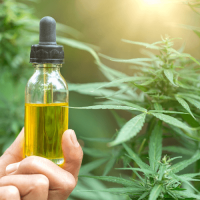
Medical marijuana is often used to relieve the side effects of chemotherapy. Studies and practical experience have shown that it reduces nausea, stimulates appetite, and alleviates pain and helps you sleep.
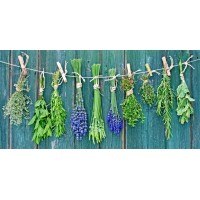
Outdoor cannabis cultivation often suffers from insect attacks that can potentially interfere with their development. This is completely natural because the environment contains a great deal of biodiversity that is essential for the balance of the Earth.

There are many varieties of cannabis that can help you relax, and it's important to know which ones will leave you feeling carefree and soft. Most consumers favor indica-dominated hybrids known for their bone structure. An indica is shorter and thicker than most sativa strains, and the classic indica effect will leave the consumer with a long-lasting physical stone.

The legalization of medical marijuana in Ukraine has become one of the most relevant topics in recent years. The government is actively working on legislative initiatives that will allow the use of cannabis for medical purposes. This decision is supported by many citizens, especially those who face serious illnesses and need effective treatment.
Заполните форму
