.png)

 to order a call
Everything you need to know about growing in coconut substrate
With the right approach, coconut substrate allows you to get strong and healthy plants, and also provides good control over all stages of cultivation.



Cannabis is one of the most researched plants due to its unique composition and effects on the body. In particular, its ability to alter brain functions has piqued the interest of scientists, doctors, and the general public. But how exactly does cannabis affect our brain? Let's take a closer look.
Cannabis contains active compounds known as cannabinoids, which affect neurons in the brain. The primary psychoactive component is tetrahydrocannabinol (THC), which interacts with the receptors of the endocannabinoid system. This system plays a role in regulating mood, memory, pain, and many other functions.
When THC enters the body, it binds to CB1 and CB2 receptors, which are located in different parts of the brain. This alters signal transmission between neurons, disrupting the normal balance of neurotransmitters like dopamine and serotonin. This can result in feelings of euphoria, relaxation, or even anxiety, depending on the dosage and individual response.
Research suggests that regular cannabis use can impact the formation of new neuronal connections and the brain's ability to adapt to new situations. This can have both positive and negative effects. For example, cannabis may help reduce symptoms of anxiety disorders, but it may also affect learning and memory capabilities.
Short-term effects
Cannabis can produce various short-term psychological effects, which depend on individual characteristics and dosage. The most common effects include:
While short-term effects usually fade after a few hours, long-term cannabis use can have lasting consequences for mental health:
If cannabis is used with caution, adhering to reasonable dosages and frequency, it is possible to minimize the risks to mental health. It's essential to remember that the response to cannabis is individual, and risks should be weighed before its use.
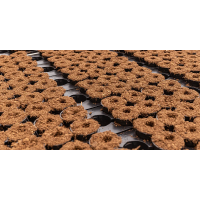
With the right approach, coconut substrate allows you to get strong and healthy plants, and also provides good control over all stages of cultivation.
Заполните форму
